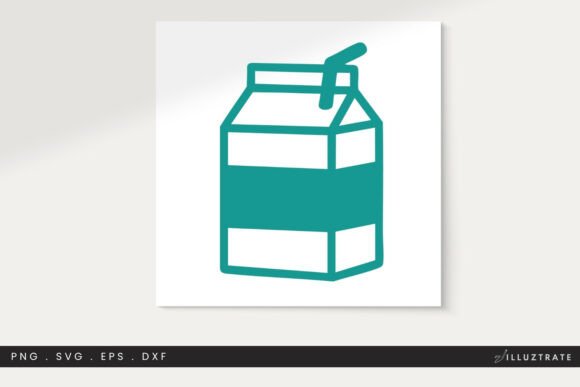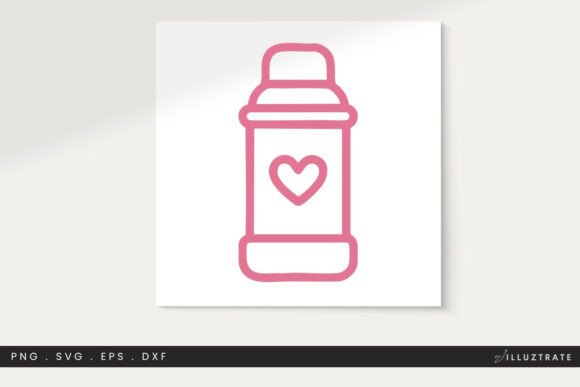
Canister SVG Cut File Clipart PNG
A Designer’s First Glance: Charm with Quiet Confidence
When I opened Canister SVG Cut File Clipart PNG, what struck me wasn’t flash—it was intention. The layout feels balanced and friendly, with clean lines and a subtle rhythm in the lettering and surrounding elements. It reads as warm but not cutesy, thoughtful but not stiff—exactly the kind of visual tone that lands well on handmade products meant to be cherished, not just seen. As an embroidery designer who’s stitched hundreds of quotes for baby onesies, boutique aprons, and holiday tea towels, I immediately pictured this on a linen kitchen towel or a cotton canvas tote bag—something tactile, functional, and quietly personal.
Where This Design Truly Shines (and Where It Needs Thought)
Canister SVG Cut File Clipart PNG works beautifully for projects where clarity meets comfort: embroidered patches for denim jackets, front-of-hoodie quotes on organic cotton sweatshirts, or delicate nursery wall hangings. Its moderate detail level means it translates well into satin stitch lettering and soft fill-stitch accents—no micro-detail traps that’ll snag thread or frustrate your machine. I tested a similar quote-based design recently on a lightweight baby blanket, and the result held up through gentle washing and repeated folding—no puckering, no thread breakage. That same reliability is likely here, assuming proper stabilizer and thread selection.
That said, this isn’t a one-size-fits-all embroidery file. On highly textured fabrics like bouclé or thick terry cloth, some finer strokes may soften visually—not fail, but lose definition. And on stretchy knits (think ribbed baby bodysuits or performance tees), you’ll want to double-layer tear-away + cut-away stabilizer and reduce stitch density slightly to avoid distortion. Also, if you’re planning to use Canister SVG Cut File Clipart PNG on curved surfaces—like the front panel of a structured cap—test it first in a small hoop. Curves compress spacing; what looks generous on flat fabric can crowd when wrapped.
Real Project Moment: A Custom Embroidered Tote for a Local Bakery
Last week, I helped a small-batch bakery owner create branded totes for their holiday gift set. She wanted something inviting but not overly sweet—“warm enough for cinnamon rolls, clear enough for coffee beans.” Canister SVG Cut File Clipart PNG would’ve been an excellent fit: legible at 3.5" wide, scalable without jagged edges, and versatile across both light oat and deep charcoal canvas. In mockups, it read cleanly against natural fabric grain—and crucially, it didn’t compete with the hand-stitched leather tag she added beside it. That balance matters: your embroidery should elevate the product, not overwhelm it.
What It Adds to Your Handmade Product—and What It Asks of You
This design elevates perceived value by signaling care—not just in execution, but in curation. Customers notice when letterforms are even, spacing is intentional, and negative space breathes. That quiet polish builds trust, especially for Etsy sellers and craft fair shoppers who equate stitching quality with brand integrity. But that polish only carries through if you treat the file like a partner, not a plug-in. Don’t skip the test stitch. Don’t assume the default stitch density works on your fabric blend. Don’t place it near a seam or pocket edge without checking how the hoop will sit.
For commercial embroidery, remember: Canister SVG Cut File Clipart PNG is a graphics asset—not inherently an embroidery file. If you’re converting it for machine use, inspect every corner for stray anchor points or overlapping paths. Tiny serifs or tight curves can cause jump stitches or inconsistent satin coverage. Run a black-and-white printout first to spot contrast issues—especially important if you plan to offer it on dark fabric. And always verify licensing: selling finished embroidered items is usually fine, but reselling the digital file itself—or bundling it into your own design pack—requires explicit permission.
Smart Workflow Notes Every Embroidery Designer Should Keep Handy
- Always test on scrap fabric that matches your final project’s weight, weave, and stretch.
- Check thread color contrast under natural and indoor light—what reads well on screen may fade on oat linen.
- Review stitch density before hooping: dense fills on lightweight cotton = puckering; too sparse on fleece = visible fabric show-through.
- Confirm hoop size compatibility—especially if layering with other elements (e.g., a small icon beside the quote).
- Inspect small details at actual stitch scale: tiny dots, thin connectors, or tight kerning may need manual cleanup in your embroidery software.
- Test in black and white mockups to assess silhouette strength—critical for tote bag designs and embroidered patches.
- Compare light vs. dark fabric backgrounds using printable mockups before listing on Etsy or sending client proofs.
- Use appropriate stabilizer: cut-away for knits, tear-away for stable wovens, fusible for lightweight silks or linens.
- Confirm dual-use rights—personal stitching is rarely restricted, but commercial embroidery or digital resale depends on the license terms.
Final Thought: A Thoughtful Tool, Not a Magic Button
Canister SVG Cut File Clipart PNG won’t replace your eye, your experience, or your relationship with fabric and thread—but it does reward them. It’s the kind of design that feels at home in a craft business because it respects the process: simple enough to execute cleanly, expressive enough to carry meaning, and flexible enough to grow with your shop’s voice. Whether you’re stitching personalized gifts, building a cohesive line of embroidered kitchen textiles, or creating digital embroidery files for fellow designers, this is a grounded, usable piece of Graphics—not noise. And in the world of Crafts, that kind of quiet reliability is rare, and worth holding onto.